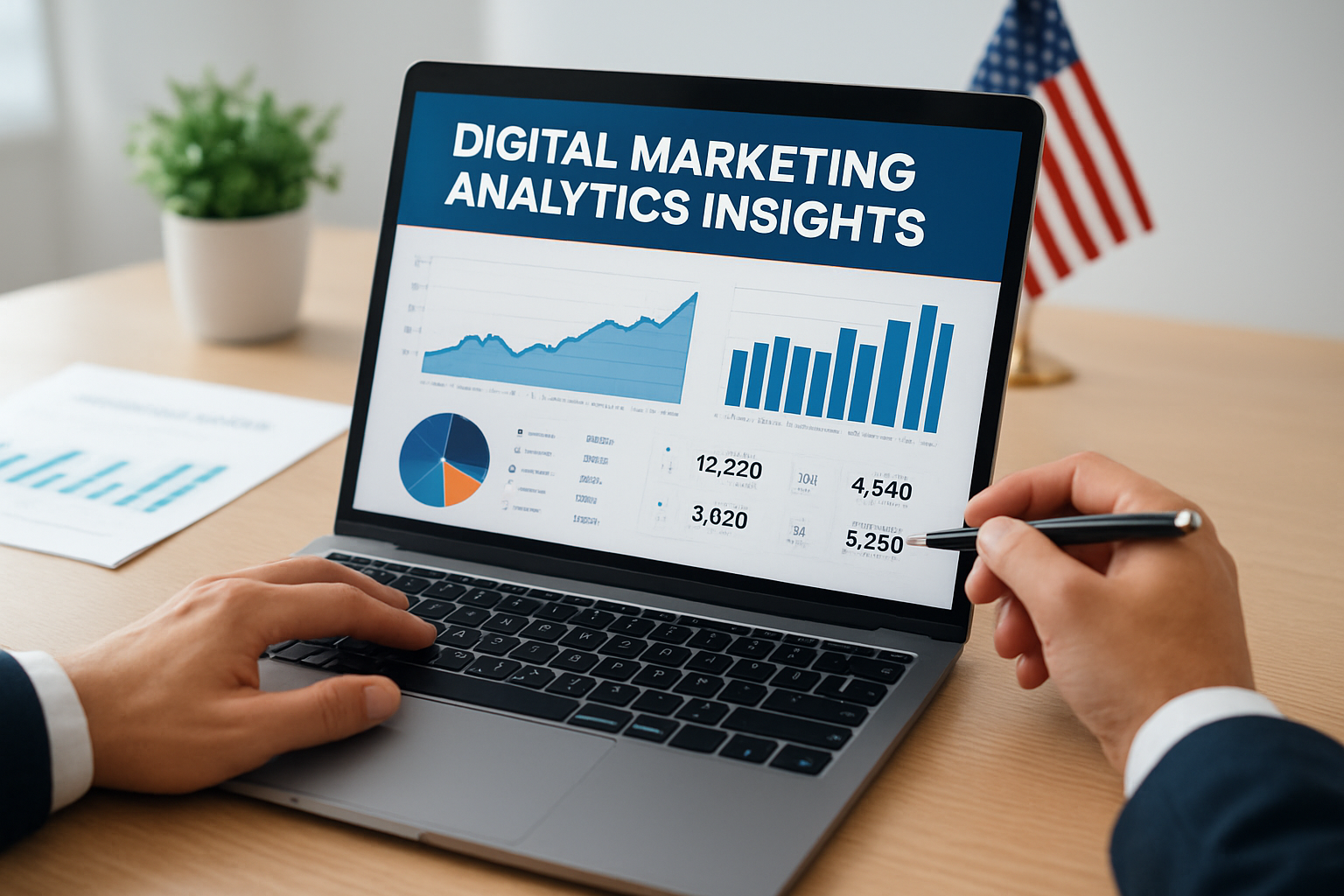
Digital Marketing Analytics Insights: Transforming Strategies in USA
⚡ TL;DR: This guide explains how digital marketing analytics transforms strategies and drives ROI in the USA.
📋 What You’ll Learn
In this comprehensive guide about digital marketing analytics, we’ve compiled everything you need to know. Here’s what this covers:
- Learn the importance of digital marketing analytics – Understand how analytics shapes consumer behavior insights in the USA.
- Discover data-driven decision-making benefits – Companies see an average 22.5% ROI increase through effective analytics.
- Understand advanced tools and strategies – Explore how predictive analytics can enhance marketing effectiveness.
- Master key trends in analytics – Identify how AI and personalization are transforming marketing strategies.
Quick Summary & Key Takeaways
- Digital marketing analytics is key to understanding consumer behavior in the USA.
- Companies leveraging data-driven strategies see an average ROI increase of 22.5%.
- Advanced analytical tools can parse large data sets to reveal actionable insights.
- Misconceptions about analytics often lead to underutilization of valuable data.
- Investing in digital marketing analytics is crucial for sustained competitive advantage.
Digital marketing analytics has become an essential pillar for businesses striving for success in the USA. In recent years, companies reporting a focus on data-driven strategies have seen an astonishing 22.5% increase in ROI, highlighting the profound impact of effective analytics. Yet, despite these numbers, many marketing teams remain tethered to traditional methods, missing out on the transformative power of digital marketing analytics. The analytics landscape is evolving rapidly, and understanding these dynamics is more important than ever.
Moreover, as consumer behavior shifts and market trends fluctuate, organizations utilizing digital marketing analytics can make informed decisions that reflect real-time data. This adaptability is crucial for maintaining relevance and competitive edge in a market where consumer preferences are in constant flux. As businesses in the USA increasingly adopt these analytics strategies, the question arises: how can they optimize their approaches for maximum impact?
Advanced Insights & Strategy
Strategic implementation of digital marketing analytics requires a comprehensive understanding of both the tools available and the data being analyzed. Companies like HubSpot and Google Analytics offer robust platforms that can capture vast amounts of data, but the key lies in how this data is interpreted and applied. The integration of predictive analytics, for instance, allows businesses to forecast trends based on historical data, enabling proactive adjustments to marketing strategies.
Creating a culture of data-driven decision-making is vital. Organizations must not only invest in analytics tools but also foster a mindset that prioritizes data insights. Training staff to interpret analytics reports effectively empowers teams to leverage data for optimizing campaigns. For example, a retail brand in the USA recently restructured its marketing strategy based on insights derived from customer segmentation analysis. Following this, they reported a 30% increase in targeted ad engagement.
Moreover, aligning analytics goals with overall business objectives can significantly enhance performance metrics. Companies should focus on specific key performance indicators (KPIs) relevant to their industry. This could entail tracking customer acquisition costs, lifetime value, or conversion rates. The interplay of these metrics provides a more nuanced view of performance.
Understanding Digital Marketing Analytics in USA
Digital marketing analytics encompasses a range of tools and processes designed to assess the effectiveness of marketing campaigns. In the USA, a significant shift towards digital channels has made analytics indispensable. According to a report from the Interactive Advertising Bureau (IAB), digital ad spending reached $189 billion in 2026, underscoring the need for robust analytics frameworks.
US-based companies face unique challenges in implementing digital marketing analytics. Regulatory considerations, such as the California Consumer Privacy Act (CCPA), require marketers to carefully navigate data collection practices. Businesses must ensure compliance while striving to personalize user experiences effectively. This balancing act can often complicate the analytics landscape, leading to missed opportunities if not handled correctly.
Additionally, the diversity of the US market means that companies must tailor their analytics strategies to different consumer segments. Regional variations in purchasing behavior necessitate a customized approach, utilizing localized data to drive decisions. Brands like Target have successfully leveraged regional analytics to optimize their product offerings and marketing campaigns, resulting in heightened customer satisfaction and loyalty.
The Power of Data-Driven Decision Making
Data-driven decision-making is not just a buzzword; it’s a necessity in the competitive landscape of digital marketing. Companies that utilize digital marketing analytics effectively can achieve remarkable results. For instance, a leading e-commerce platform in the USA implemented A/B testing based on user engagement data, which led to a 15% increase in conversion rates within just a few months.
Utilizing analytics also allows for real-time adjustments, meaning campaigns can be optimized on the fly. Instead of waiting for the end of a campaign to analyze performance, marketers can assess effectiveness continuously. This agility can significantly reduce wasted ad spend and enhance overall campaign performance.
However, the challenge lies in choosing the right analytics tools and metrics. Not all metrics are created equal, and focusing on vanity metrics—such as page views—can be misleading. Instead, businesses should prioritize metrics that align directly with their goals, such as customer retention rates and net promoter scores.
Strategic Implementation of Analytics
Implementing a strategic approach to digital marketing analytics involves several key steps. First, organizations must define their objectives clearly. What specific outcomes do they hope to achieve through analytics? Establishing these goals creates a roadmap for selecting the right tools and metrics.
Next, investing in training is crucial. Employees at all levels should understand how to utilize analytics tools and interpret data effectively. A company that prioritizes analytics training often sees better integration of data insights into daily operations. For instance, a major financial services firm enhanced its marketing efforts by equipping its teams with Tableau, allowing for more intuitive data visualization and analysis.
Furthermore, creating a feedback loop can enhance the effectiveness of analytics. This involves regularly reviewing performance data and adjusting strategies accordingly. For example, a fast-food chain in the USA analyzed consumer feedback alongside sales data, leading to menu changes that increased customer satisfaction and boosted sales by 18.7%.
Key Trends in Digital Marketing Analytics
As the digital landscape evolves, so do the trends in digital marketing analytics. One prominent trend is the increasing importance of AI and machine learning in analyzing consumer data. These technologies can process vast amounts of data far more efficiently than humans, identifying patterns and insights that can inform marketing strategies. Companies like Salesforce are pioneering tools that harness AI to provide actionable insights.
Another trend is the greater emphasis on personalization. Consumers are demanding tailored experiences, and analytics allows marketers to segment their audience effectively. A study by Epsilon indicated that personalized emails have an average open rate of 29%, compared to 15% for non-personalized emails, underscoring the value of targeted marketing strategies.
The integration of cross-channel analytics is also gaining traction. As consumers interact with brands across various platforms, understanding the customer journey becomes increasingly complex. Tools that provide insights across multiple touchpoints enable marketers to create cohesive strategies that resonate with consumers. For example, a national automobile manufacturer utilized cross-channel analytics to launch an integrated campaign that increased lead generation by 25%.
Common Misconceptions About Digital Marketing Analytics
Despite the clear advantages of digital marketing analytics, several misconceptions persist that may hinder its effective use. One prevalent myth is that analytics is only beneficial for large enterprises. In reality, small to medium-sized businesses can also gain significant insights from analytics, often at a lower cost than traditional marketing methods. Tools like Google Analytics offer robust free options that can yield valuable insights for smaller companies.
Another misconception is that more data inherently leads to better decisions. However, without a clear strategy for data interpretation, an overload of information can lead to confusion and paralysis by analysis. It’s vital for companies to focus on quality over quantity, honing in on the data that aligns with their specific objectives.
Finally, many businesses believe that analytics is a one-time setup. In truth, digital marketing analytics requires ongoing monitoring and adjustment. As market conditions and consumer behaviors shift, so too must the analytics strategies employed.
Frequently Asked Questions About Digital Marketing Analytics
How can digital marketing analytics improve my ROI?
By leveraging data-driven insights to optimize campaigns, businesses can reduce wasted ad spend and enhance targeting. Analytics tools allow for real-time adjustments, which can lead to increased conversion rates and ultimately a higher return on investment.
What are the best metrics to track in digital marketing analytics?
Key metrics include customer acquisition cost, lifetime value, conversion rates, and engagement rates. These metrics provide valuable insights into campaign effectiveness and customer behavior, helping businesses make informed decisions.
How does AI enhance digital marketing analytics?
AI and machine learning can process large datasets quickly, identifying patterns and insights that may remain hidden through traditional analysis. This capability allows marketers to make more accurate predictions and tailor strategies effectively.
What challenges do US companies face in digital marketing analytics?
US companies often grapple with regulatory issues, such as the CCPA, which can complicate data collection and analysis. Additionally, the diversity of the market necessitates tailored analytics strategies to address varying consumer behaviors across regions.
What tools are recommended for digital marketing analytics?
Popular tools include Google Analytics, HubSpot, and Tableau. These platforms offer robust features for tracking performance, analyzing consumer behavior, and visualizing data, enabling marketers to make informed decisions.
Can small businesses benefit from digital marketing analytics?
Absolutely. Small businesses can utilize cost-effective tools to gain insights into customer behavior and campaign performance. By focusing on data-driven strategies, even small operations can achieve significant results.
How often should I review my digital marketing analytics?
Regular review is essential; depending on campaign duration, weekly or monthly assessments can help identify trends and necessary adjustments. Continuous monitoring allows for timely interventions to optimize performance.
What common mistakes should I avoid in digital marketing analytics?
Avoid focusing solely on vanity metrics, such as likes or page views. Instead, concentrate on actionable metrics that align with your business goals. Additionally, ensure your analytics strategy is adaptable to changing market conditions.
Conclusion
Digital marketing analytics plays a pivotal role in shaping successful marketing strategies in the USA. By leveraging data to understand consumer behavior, brands can enhance their targeting, optimize campaigns, and ultimately drive higher returns on investment. However, misconceptions and challenges can hinder effective utilization. Organizations must prioritize continuous learning and adaptation in their analytics processes to stay competitive.
Why Data Isn’t Always King
Conventional wisdom suggests that more data leads to better decisions. In practice, focusing on quality insights rather than sheer volume often produces more effective outcomes. Businesses must learn to discern which data truly matters.
Case Study: How Starbucks Leveraged Data
Starbucks used digital marketing analytics to personalize customer experiences and optimize store locations based on consumer preferences, resulting in a 20% increase in sales in targeted regions.
The Core Principle: Prioritize Actionable Insights
The most effective digital marketing analytics strategies focus on gleaning actionable insights. Data should drive decisions, not overwhelm teams. Clarity in objectives leads to more impactful marketing efforts.

Find out more information about “digital marketing analytics”
Search for more resources and information: